
Sub-Total: $0.00

4 Dangers of Elevated Lead Levels in Shooters
Tags:

As shooters, we should be concerned with high level of lead in our bodies. This is because most ammunition that we shoot has lead in the bullets. Bullets can be comprised of all lead, or a mixture of lead which can cause elevated levels of lead in our body. Even jacketed bullets usually have exposed lead at the bottom of the projectile. Regardless of the type of bullet, with the exception of monolithic or steel core bullets, you are exposed to lead every time you pull the trigger.

Lead poisoning is something that every shooter should be concerned about. This
is especially true if you shoot more than the “average” person. This could apply to you if
you shoot competitively in shooting matches, if you are a reloader, or if you work at a gun
range. The danger occurs when lead disrupts the body’s major organ systems. When
this happens, lead mimics or blocks the essential minerals that the body needs to function
properly.
The NRA list three things to do when and after shooting to limit your exposure to
lead. These include:
- When shooting or cleaning a gun, refrain from eating, drinking, smoking, or placing hands close to the mouth.
- After shooting or clean a gun, wash hands and face thoroughly with soap and cold water. Cold water is used because hot water opens the pores of your skin and that can allow lead and other particulates to enter your body through absorption.
- Change and wash clothes as soon as possible after shooting or cleaning a gun.
Even after following these three precautions, it is still possible to end up with high lead levels in your body. The only way to find out what your lead levels are is to request a blood test from your doctor. This is a simple procedure that takes drawing a sample of your blood and sending it off to a lab. Your doctor or the facility that draws the blood sample usually handles the transportation and testing of your sample.

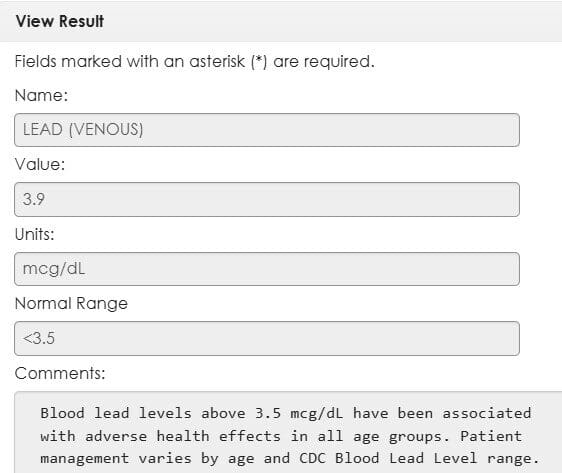
If you find that you have high lead levels, there are four areas that can be severely affected. These are the brain and nervous system, the blood and cardiovascular system, the gastrointestinal system, and the reproductive system.
Brain and Nervous System
In severe cases, high lead levels can lead to seizures, comas, and even death.
High lead levels have also been associated with memory loss, difficulty in concentration,
depression, insomnia, nervousness, and mood swings. If high lead levels are not
decreased, permanent brain damage can occur.
In severe cases, high lead levels can lead to seizures, comas, and even death.
High lead levels have also been associated with memory loss, difficulty in concentration,
depression, insomnia, nervousness, and mood swings. If high lead levels are not
decreased, permanent brain damage can occur.
In severe cases, high lead levels can lead to seizures, comas, and even death. High lead levels have also been associated with memory loss, difficulty in concentration, depression, insomnia, nervousness, and mood swings. If high lead levels are not decreased, permanent brain damage can occur.
In children, high lead levels can lead to a host of cognitive problems. These include learning disabilities, reduced intelligence quotient (IQ), and behavioral problems. Children can become aggressive, hyperactive, and develop anti social behavior. Children as well as adults can also experience lack of reasoning and the ability to solve problems, as well as memory and verbal comprehension issues.
Blood and Cardiovascular System
High lead levels can increase the risks of high blood pressure and chronic kidney disease. Extreme levels of lead can also lead to cardiovascular disease. Symptoms of cardiovascular disease include chest pains (angina), shortness of breath, swelling of the arms and legs, dizziness, and fatigue.
Increased levels of lead can result in joint and muscle pain. In severe cases, high lead levels can lead to strokes or cardiac arrest. In cases of sudden numbness of the face, arms, or legs need immediate medical attention. Symptoms such as persistent coughs, extreme fatigue, heart palpitations, and disorientations can also point to high lead levels.
Gastrointestinal System
Lead exposures can cause serious conditions in the gastrointestinal system. Symptoms include loss of appetite, sudden unexplained weight loss, abdominal pain, constipation, and vomiting. Individuals experiencing high lead levels often complain of heartburn or acid reflux and nausea.
High lead levels can also lead to severe abdominal pain and discomfort. These symptoms include cramping, bloating, and excessive gas. These symptoms are usually accompanied by constant and severe diarrhea. Severe cases of lead poisoning can lead to internal bleeding identified by blood in the stool.
Reproductive System
Long-term exposure to lead can adversely affect the reproductive system. This is especially detrimental to young shooters who want to start a family. High levels of lead can lead to lower sex drive as well as infertility issues in both men and women. Men that have high lead levels can experience reduced sperm count or abnormal sperm.
High lead levels can also affect pregnancies and pose complications such as premature births or miscarriages. Additionally, there is the risk of birth defects in an unborn child. These risks include brain damage and and/or deformities. High lead levels have also been attributed to lower birth weights in infants.
Like all activities that include safety guidelines, shooting is safe when the participants follow the rules. The NRA teaches in all its basic and instructor courses the importance of proper hygiene when shooting and cleaning firearms. Follow the NRA’s safety hygiene rules whenever engaged in the shooting sports and lead levels should stay in the acceptable range. Remember, according to the NRA Training Department, “Safety is Everybody’s Responsibility!”