
Sub-Total: $0.00
5 TYPES OF STUDENTS WHO CAN’T MAKE THE INSTRUCTOR CUT
Tags:
by Heidi Lyn Rao
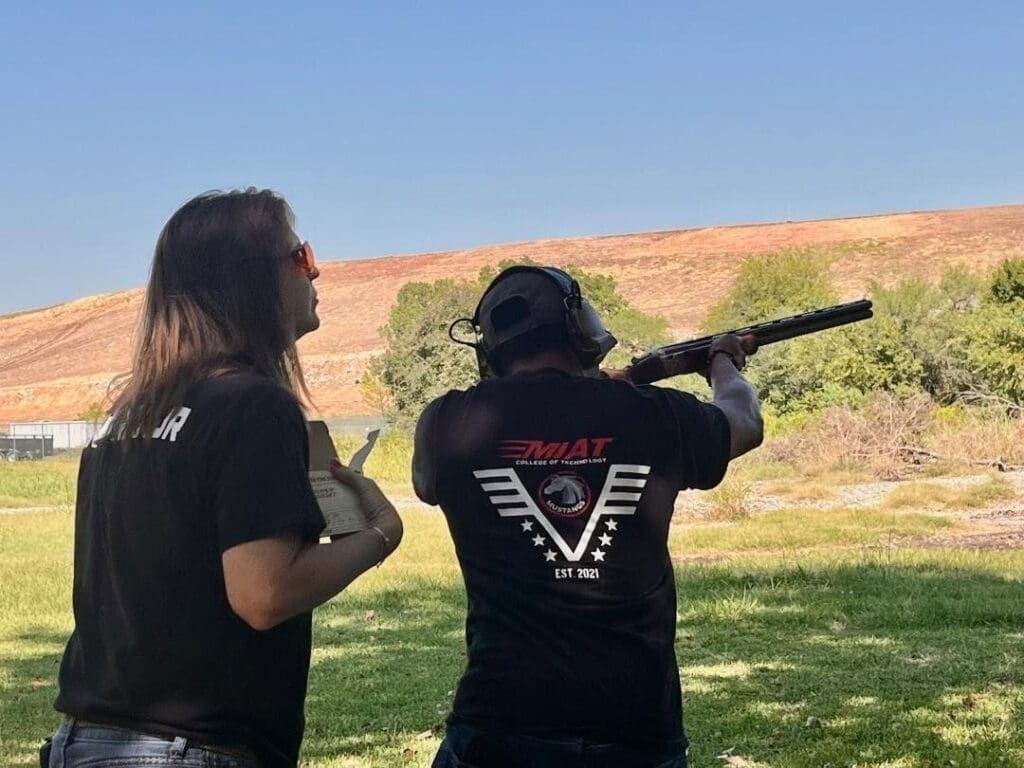
The NRA Training Department expects a lot out of their Training Counselors. This is because Training Counselors are tasked with ensuring that the instructor candidates who they are recommending for certification meet the NRA’s stringent requirements to become an NRA Certified Instructor. NRA Instructors are the “Gold Standard” in the industry regarding firearm training.
NRA Training Counselors (TCs) start the vetting process long before a class begins. All instructor candidates are required to fill out the “NRA Instructor Training Program Pre-Course Questionnaire” and submit the completed document to the TC prior to class. The NRA Instructor Training Program Pre-Course Questionnaire has the instructor candidate lists his or her experience, certifications held, why they wish to become certified, and other pertinent information the TC can use to vet the individual. The goal is to ensure that future NRA Instructors properly represent the NRA, since it is the instructors who the public encounters.
The course goal of every NRA class begins with the student needing to “teach the knowledge, skills, and attitude” necessary to safely and properly use the firearm in the discipline in which they seek to become an NRA Certified Instructor. These are known as KSAs. It is these KSAs that “make or break” the instructor candidate.
There are 5 types of students who cannot make the NRA Certified Instructor cut. Each of these types of students fail to demonstrate one or more of the KSAs required by the NRA’s Training Department. These types of students are the bad attitude student, the unsafe student, the new gun owner student, the no-show student, and the medical issue student.
The Bad Attitude Student
The “bad attitude student” cannot make the cut because as the name implies, he or she has a bad attitude. This type of student is a “real joy” to have in class. The bad attitude student can quickly bring the morale down of the entire class. This is why the TC must act quickly to identify this student and deal with the situation before it affects the other students.
The bad attitude student is usually upset because he or she needs to attend a basic firearm class before becoming a certified instructor because “I have been shooting my whole life!” Many times, these types of students are mad that they must take a basic firearm training course because they think they know it all. They will also let the other students in the class know that they do not need this class, rather they only are there to
attain the title “Certified Instructor,” or because it is a requirement for joining their local shooting club, etc.
The bad attitude student will also bring up the ‘dirty laundry” of various organizations, including the NRA, that is often misreported by the mainstream media. Remember, it is the policy of the NRA’s Training Department that instructors are prohibited from “making statements that would bring dishonor to all NRA instructors, the firearm community, discredit the mission of the NRA, or encourage anti-gun legislation.”
The Unsafe Student
The unsafe student presents a serious issue that needs to be addressed immediately. When handling firearms, safety is the most important aspect of handling firearms. All firearms, including training guns, plastic guns, or anything that represents a firearm, should be handled in a safe manner. If the instructor candidates are unsafe in the classroom or on the range during the course, it is a good bet he or she will be unsafe outside the classroom setting. This includes when he or she is training new shooters.
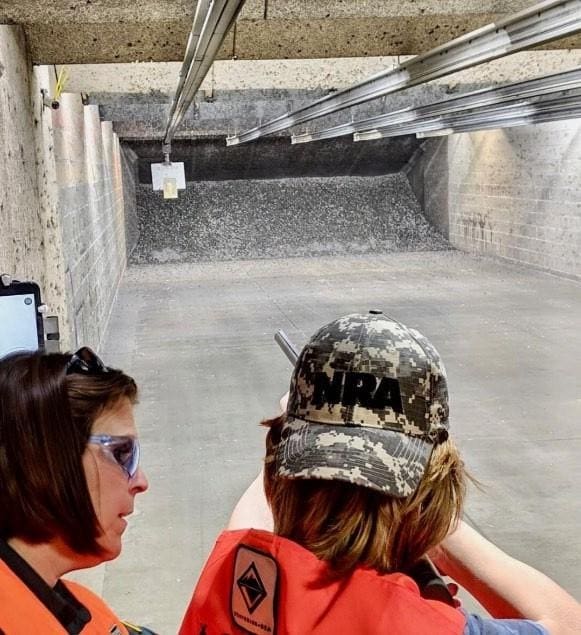
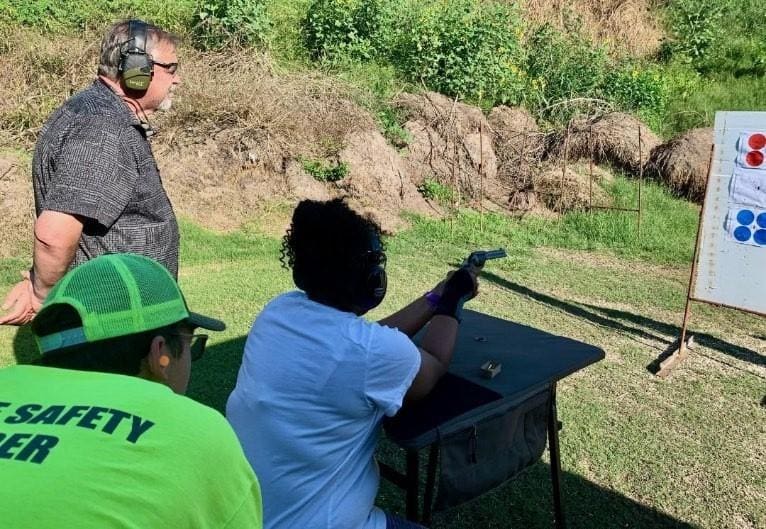
NRA Instructor are required to always be safe. Instructor candidates are also required to always be safe. Safety violations are grounds for the immediate decertification of existing certified instructors, as well as for instructor candidates. Over the years, I have had to remove unsafe individuals from my classes for everyone’s protection. I’ve had to
tell a few individuals to work on their safety when handling firearms, after showing them how, and then to register for another class in the future. Others who commit serious infractions such as keeping their guns pointed in a safe direction during live fire exercises are escorted off the range and prohibited from enrolling in future classes.
The New Gun Owner Student
It always amazes me with the number of individuals who purchase their very first gun or those who inherit a small collection of firearms and suddenly want to become a firearms instructor. Many of these individuals do not even know what caliber their firearm is or how to load it. Even though many of these individuals are quick learners and meet the objectives of a basic training course, they do not have the knowledge or experience to be an effective instructor.
Luckily, this type of student usually cannot answer the NRA Instructor Training Program Pre-Course Questionnaire by himself or herself. If they can fill out the questionnaire on their own, the information they provide will give them away. Most TC’s are very concerned about having his or her name associated with an individual who does not have the experience of properly training others.
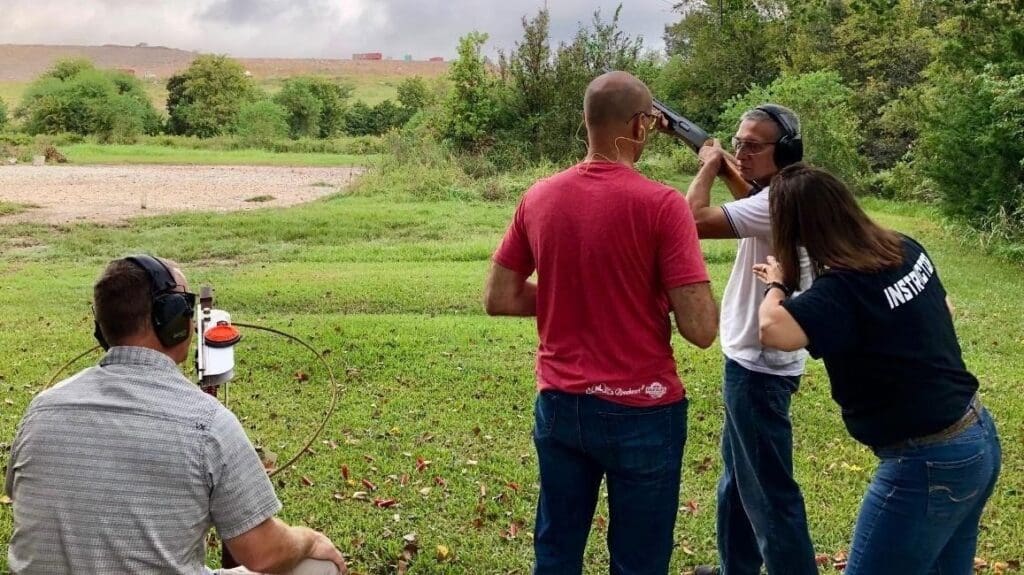
This is when the TC must do a preemptive counseling session. The TC should explain to the individual that experience is a big part of being an NRA certified Firearm Instructor. Even though they may feel they can pass the class, experience takes time. I always advise them to take an NRA Basic Training Course and use that knowledge to gain experience at the range. Unfortunately, there is no set timeframe for experience. Each individual is different and that means a student should be able to safely and properly learn to handle many different types of firearms, not just the one they purchased.
The No-Show Student
Talk to any NRA Instructor or Training Counselor and they will tell you how frustrating it is to set up a class, gather materials and other time-consuming aspects of putting an NRA class together and on the day of the training, having individuals “no show.” This is a good indication that an instructor candidate has a bad attitude. This is not only disrespectful to the NRA Training Program, but also to the instructor and the other individuals in the class.
The “no show” student includes those who call or email the instructor the morning of, or even after the class begins. Their actions are a good indication of how they will be as an instructor. When an instructor or Training Counselor sets up a class, he or she must show up regardless of how they feel that morning, if they have a hurting back or knees, and regardless of the status of childcare. Unless it is a life-threatening condition, extremely contagious illness, or other “inconvenience,” the instructor needs to show up for their class.
This is why it is important to have a few back-up plans. Team teaching with other instructors and having a babysitter on call are important considerations when offering NRA Training Courses. A no-show is a no-go for me and my NRA Instructor Classes. In my classes, barring extreme circumstances, a no-show forfeits class fees and I counsel the student the importance of sticking to a schedule. If it happens a second time, they not only forfeit their fees again, but I also do not let them register for a future class.
The Medical Issue Student
The medical issue students are the hardest to deal with. This is because, usually of no fault of their own, they cannot perform the tasks necessary to become an instructor. They may have the heart and desire to become an instructor, but they just physically cannot do it. Even though we can modify an NRA Basic Course, because even physically challenged individuals need to know how to safely and properly use their firearm, the NRA Instructor Courses must be administered as outlined.
It boils down to safety. If an individual cannot safely meet the objectives of the NRA Instructor Course, they cannot become an instructor. NRA TCs should not let their emotions override logic. Even though TCs really would like to help individuals with disabilities, they must safely meet the objectives of the course. There is a misconception that due to the Americans with Disabilities Act (ADA), we must make accommodations. Safety always trumps the ADA. Period.
In some regards, the NRA Firearm Instructor is the face of the NRA. This is because NRA Instructors are usually present at local gun stores, ranges, competitions, and 2nd Amendment events. Oftentimes, local gun stores and ranges refer potential students to NRA Instructors that they know. Additionally, the local NRA Firearm Instructors are known in the community, especially if they are active.
These are some of the reasons that NRA Training Counselors need to take their job seriously. The individuals that we certify will also become the face of the NRA. If Certified NRA Instructors are unsafe or cannot properly train new shooters, it dilutes the image of the instructors that do have the proper knowledge, skills, and attitude. Remember, if an instructor candidate does not display the attributes that make NRA Instructors the “Gold Standard” in the industry, they should never be allowed to hold the title – NRA Certified Instructor!